Why You Should Avoid Roof Overlays for Your Home Renovation

When it comes to roofing, many homeowners look for quick and affordable solutions. One common shortcut is installing a new layer of roofing material over the old one, known as a roof overlay. At first glance, this might seem like a smart way to save money and time. But putting new construction material on top of deteriorating old roofing can cause serious problems. This post explains why roof overlays are a bad idea and why you should avoid them during your home renovation.

Old Materials Cause Hidden Damage
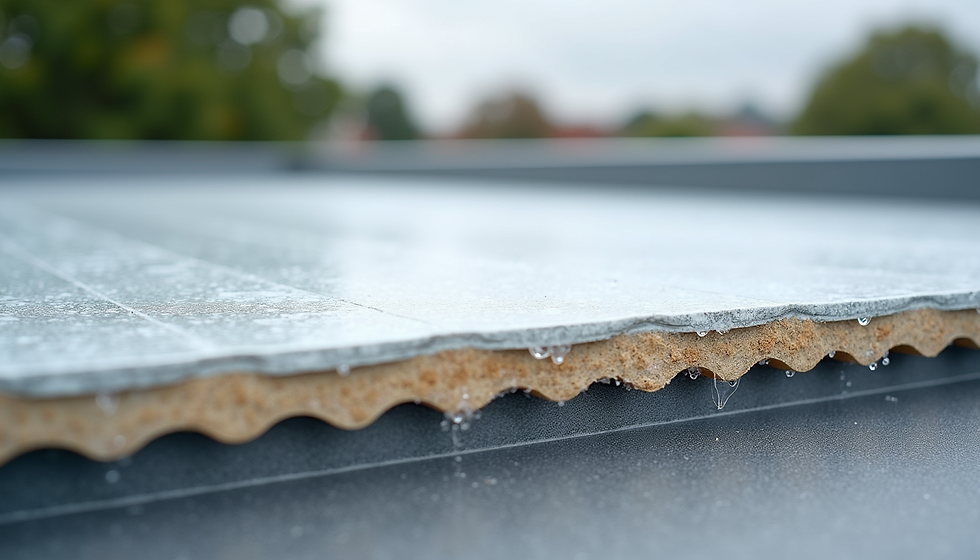
Roof overlays cover the existing roofing instead of removing it. The problem is that old roofing materials deteriorate for a reason. They lose their protective qualities over time and can hide damage underneath. When you add a new layer on top, you trap moisture and heat between layers. This creates an environment where mold and rot can develop unseen.
Rotting decking under the roof can weaken the entire structure. Mold growth inside walls or ceilings can cause health issues for your family. If you overlay instead of replacing, you won’t be able to spot these problems early. This can lead to costly repairs down the line or even unsafe living conditions.
Overlays Add Unnecessary Weight
Adding a second layer of roofing material increases the weight on your roof frame. Roofs are designed to support a specific load. Extra weight stresses the structure and can cause sagging or even collapse in extreme cases. This risk grows if the original roof is already old or damaged.
The added weight also affects how your roof handles weather. Heavy snow or rain combined with extra roofing layers can overwhelm your roof’s support system. This puts your home and family at risk during storms.
Overlays Prevent Proper Roof Ventilation
Roofs need to breathe. Proper ventilation helps regulate temperature and moisture levels in your attic. When you overlay roofing, you block airflow between layers. This traps heat and moisture, making your attic hotter and more humid.
A hotter roof means your air conditioning has to work harder, increasing energy bills. Moisture buildup can cause wood rot and damage insulation. Over time, this reduces your roof’s lifespan and effectiveness.
Overlays Are Against Building Codes
Most city and state building codes allow only one layer of roofing material. Overlays violate these codes and can cause problems when you try to sell your home or file insurance claims. Inspectors may require you to remove the overlay and replace the roof properly, which can be expensive.
Following code ensures your roof meets safety and quality standards. It also protects your investment and peace of mind.
False Savings Can Cost You More
The main reason homeowners choose overlays is to save money on labor and materials. Overlaying can save about $500 to $1,000 upfront compared to a full roof replacement. But this short-term saving often leads to bigger expenses later.
Hidden damage, mold, structural issues, and code violations can cost thousands in repairs. Plus, overlays usually shorten the life of your new roofing material. You may end up replacing your roof sooner than expected, paying more in the long run.
What to Do Instead
The best approach is to remove the old roofing completely before installing new material. This allows you to:
Inspect and repair the decking
Check for mold or rot
Ensure proper ventilation
Comply with building codes
Install a durable, long-lasting roof
Though it costs more upfront, a full roof replacement protects your home and saves money over time.

Comments