Essential Routine Roof Maintenance Tips to Prevent Costly Repairs

A roof is one of the most critical parts of any building, protecting everything beneath it from weather and wear. Yet, many property owners overlook routine roof maintenance until a problem becomes obvious and expensive. Regular inspections and timely repairs can save thousands of dollars and extend the life of your roof. This post explains why routine roof maintenance matters, what to check during inspections, and how to find a trustworthy roofer who prioritizes your roof’s health over quick sales.
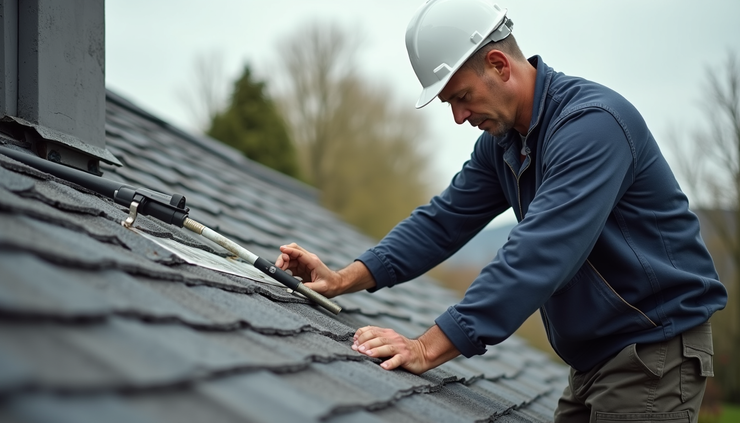
Why Routine Roof Maintenance Matters
Roofs face constant exposure to sun, rain, wind, and temperature changes. Over time, these elements cause wear and tear. Small issues like loose screws, cracked flashings, or minor leaks can quickly grow into major problems if ignored. Water damage, mold growth, and structural weakening often start with a tiny, unnoticed fault.
Scheduling roof inspections every 3 to 5 years is a good rule of thumb. If possible, yearly checks are even better. Early detection allows you to fix problems before they escalate. For example, a missing screw on a metal roof might seem minor but can lead to water infiltration and rust if left unattended.
What to Look for During Roof Inspections
A thorough roof inspection covers several key areas. Whether your roof is metal, flat, or covered with TPO membrane, each type requires specific attention:
Check all penetrations: Pipes, vents, skylights, and chimneys are common weak points. Inspect the flashings around these penetrations for cracks, gaps, or loose seals.
Metal roofs: Ensure all screws are tight and secure. Loose screws can cause panels to shift or allow water to seep in.
Flat roofs: Look for obvious punctures or holes in the membrane. Even small penetrations can cause leaks.
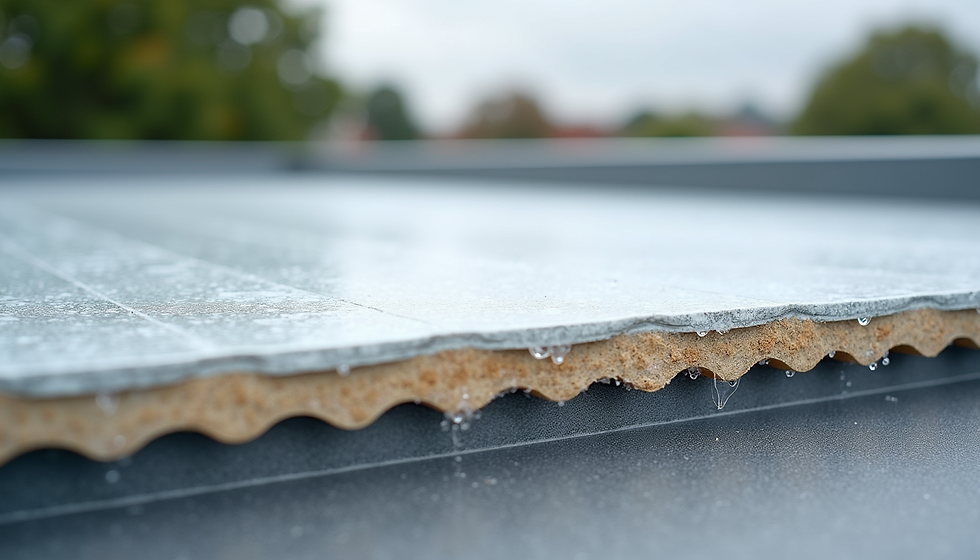
TPO roofs: Conduct a detailed seam check. Seams are vulnerable spots where leaks often start. Make sure all seams are intact and properly sealed.
Regularly inspecting these areas helps catch problems early. For example, a small tear in a TPO seam can be repaired quickly, but if ignored, it may cause extensive water damage.
Fix Problems Immediately to Avoid Bigger Issues
When you find a problem, act on it right away. Delaying repairs allows damage to worsen, increasing repair costs and risking interior damage. For instance, a leaking skylight flashing can cause water stains, mold, and even structural rot inside your home.
Timely fixes keep your roof in good shape and protect your investment. Small repairs like tightening screws, resealing flashings, or patching membrane tears are affordable and straightforward when done early.
How to Choose a Trusted Roofer
Not all roofers have your best interests in mind. Some may push for costly replacements even when repairs suffice. Look for a roofer who:
Provides detailed inspection reports with photos and clear explanations.
Tells you honestly if your roof is in good condition or if repairs are needed.
Focuses on maintenance and repairs rather than just selling new roofs.
Has good reviews and a solid reputation in your community.
A trusted roofer acts as your roof’s advocate, helping you maintain it properly and avoid unnecessary expenses.

Comments